Coffee school / In the cup
Dry (natural) process
The bean dries inside the fruit. Winier, sweeter, fruitier — and harder to get right.
Coffee school / In the cup
The bean dries inside the fruit. Winier, sweeter, fruitier — and harder to get right.
The oldest process: the picked cherries are dried whole, with the seed left inside the fruit for weeks. The sugars and the aromas of the fruit work their way into the bean as it dries.
What that means in the cup: a more intense, fruitier, often “winey” character. Blackberry, plum, dried fruit, a denser sweetness. The acidity is rounder and the body fuller.
Why it is harder: during drying the fruit can over-ferment or grow mould. It has to be turned constantly and the moisture watched — weeks of work on the drying beds of the , not the press of a button. A badly made natural is not exciting — it is rotten.
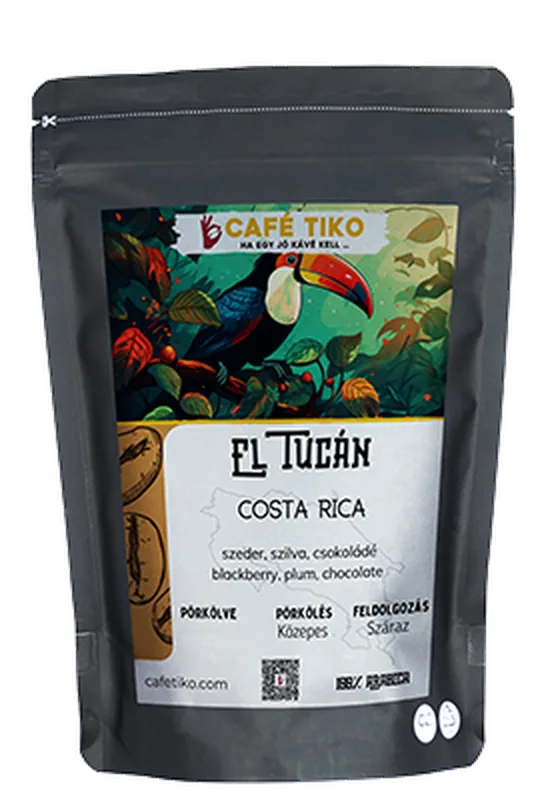
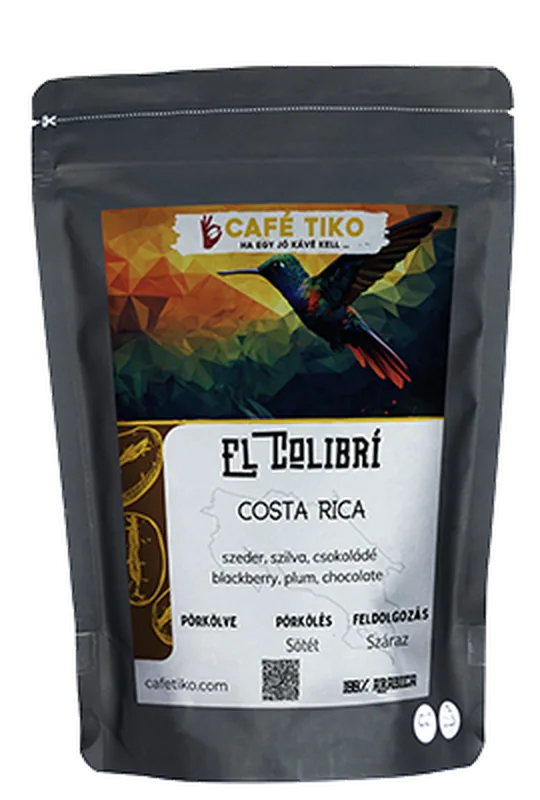
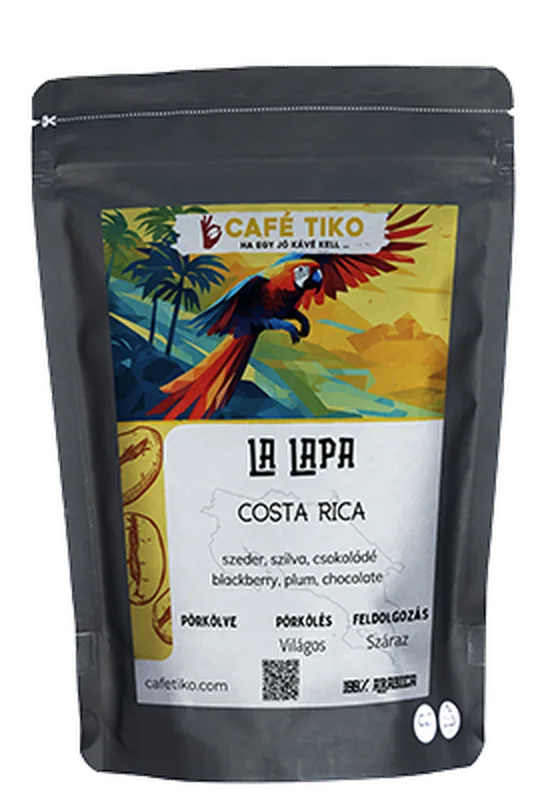
An example in our range: our Costa Rican Brumas del Zurquí lot is dry processed. That is why blackberry and plum are there in all three roasts — brighter in the light one, under the chocolate in the dark one.
If you are new to it: many people fall for natural coffees before washed ones, because they are sweeter and fruitier. An appreciation of the clarity of washed coffees usually comes afterwards.
Taste it
Welcome to Café Tiko!
The words marked in green are Spanish — tap any of them and it tells you what it means.