Coffee school / In the cup
Dark roast
Body, chocolate, molasses — but our "dark" is not burnt. We never go as far as second crack.
Coffee school / In the cup
Body, chocolate, molasses — but our "dark" is not burnt. We never go as far as second crack.
For us a dark roast does not mean what it means on a supermarket shelf. We never go as far as second crack. Our development ratio is around 18% — the bean gets a firm but short stretch after first crack, and that is where we stop.
Why: after second crack coffee starts to burn, and burnt tastes the same everywhere. An 88-point Costa Rican microlot and an anonymous commercial coffee taste exactly alike if you leave them in long enough. The money we pay for good green coffee simply goes up in smoke.
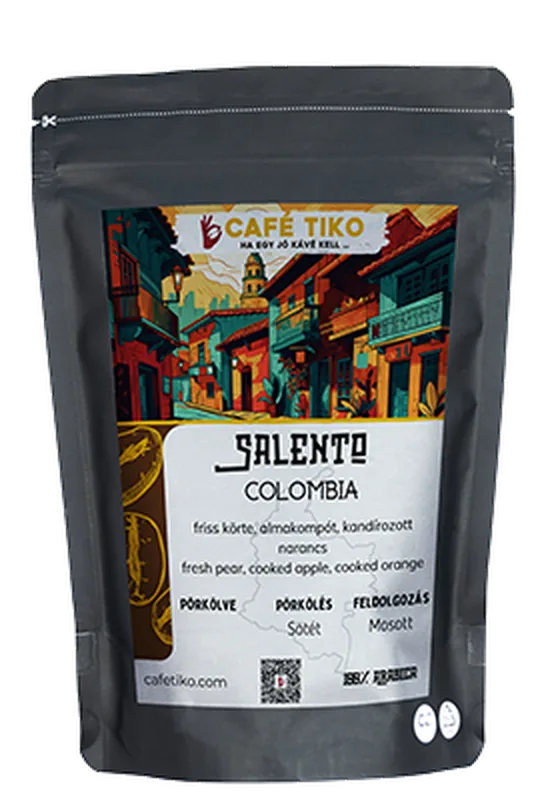
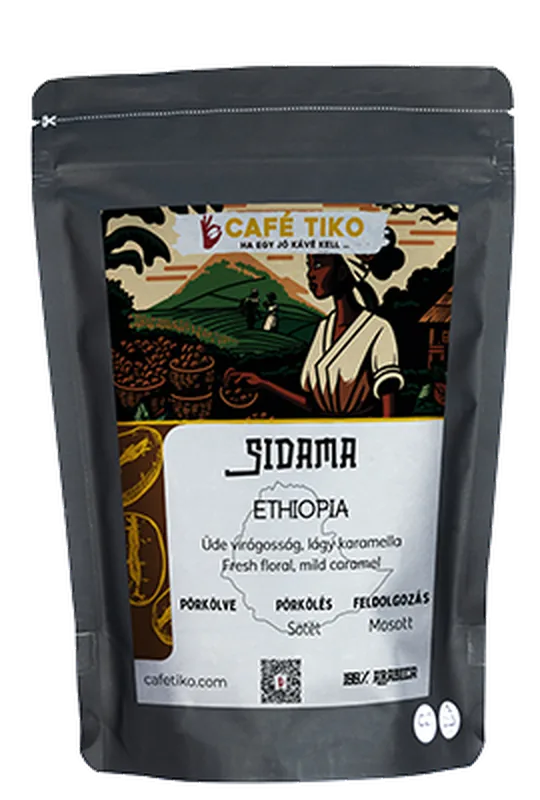
What our dark does give: dark chocolate, toasted nuts, molasses, a fuller body, a rounder acidity. The fruit does not disappear, it just steps back — in the Costa Rican El Colibrí the blackberry and plum are there underneath the cocoa.
What it does not give: smoke, ash, oily beans. If you see shiny, oily beans in a bag, that coffee is past second crack. Ours stays matt.
What it is good for: espresso, moka pot, and anything with milk in it. The fat and sweetness of milk work best with this kind of body.
Worth knowing: a darker bean is more porous and loses its aroma faster. Buy it in the smaller size and drink it sooner.
Taste it
Welcome to Café Tiko!
The words marked in green are Spanish — tap any of them and it tells you what it means.